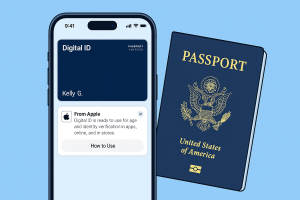
 Apple has launched a new feature that lets U.S. passport holders add their passport as a Digital ID in Apple Wallet, usable at over 250 TSA airport checkpoints nationwide. The rollout marks a key expansion of Apple’s digital identity push and eliminates the need for a physical driver’s license or state ID, at least for domestic travel. [Read more…]
AWS Outage Shows How Fragile the Cloud Really Is
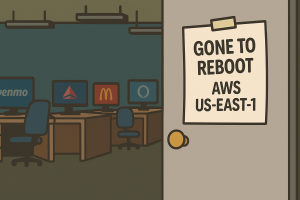 On October 20th, 2025, a disruption in a single AWS service rippled through the backbone of the internet. What started as elevated error rates in Amazon’s DynamoDB service in the US-EAST-1 region quickly escalated into a full-blown outage across dozens of AWS products. For anyone who relies on Amazon Web Services, and that’s nearly everyone, this was a stark reminder of just how fragile cloud infrastructure can be. [Read more…]
Windows 10 Is Dead. Long Live Windows 10!
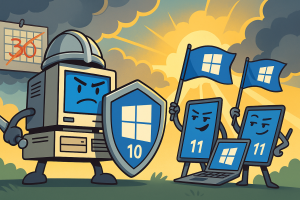 After nearly a decade, Microsoft is finally closing the book on Windows 10. As of today, free support and regular security patches have officially ended. But despite the headlines, your computer is not about to implode. If you plan wisely, or even just use decent security software, you can keep running Windows 10 safely for a quite a bit longer. [Read more…]
Meta Makes AI Chats Fuel Ads; And You Can’t Opt Out (in the U.S.)
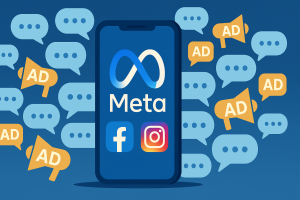 Meta is rolling out a sweeping change to how it handles user data. Beginning December 16, interactions with its AI chat tools, whether text or voice, will feed into content recommendations and ad targeting across Facebook, Instagram, and WhatsApp. And in the U.S., users will have no way to opt out.
On October 7, Meta will begin notifying users that their AI interactions will influence recommendations. But the initial notice is vague, saying only, “Learn how Meta will use your info in new ways to personalize your experience.” Users must click through to see the part about AI. Meta says the omission is not deliberate. A spokesperson insists the AI connection becomes clear immediately after the notice opens. [Read more…]
Google Says the Quiet Part Out Loud: The Open Web Is Dying
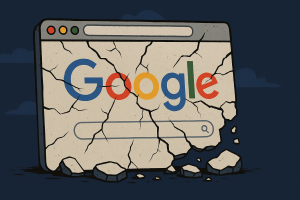 In a legal filing meant to defend its advertising empire, Google may have inadvertently said what many in the industry have long suspected: the open web is in serious decline. That’s the phrase the company used in its September 5 court response as it fights against a proposed breakup of its ad business. At stake is whether Google must divest its AdX advertising exchange—an engine that has helped it dominate online display advertising for years.
But in trying to save itself from being carved up by the Department of Justice, Google made an unexpected pivot. After years of insisting that traffic from search is strong and the web is flourishing, the company is now warning that forced divestment could speed up what it calls the “rapid decline” of the open web.
So which is it? A healthy ecosystem driving billions of dollars in value—or a fragile economy on the brink of collapse? [Read more…]
