 I’ve said from the beginning that the biggest risk with AI isn’t that it writes bad code. It’s that people are starting to trust it to make decisions it has no business making.
New research drives that point home.
Researchers have uncovered a new attack called HalluSquatting, and it exploits one of AI’s most well-known weaknesses: it would rather make something up than admit it doesn’t know the answer.
That behavior, which we’ve all come to know as hallucination, is no longer just an annoyance. It can now be turned into a weapon.
Here’s how it works. [Read more…]
 The AI subsidy era is ending, and the bills are finally showing up.
 There’s a growing argument that AI is increasing the intensity of work instead of reducing it, and honestly, that tracks.
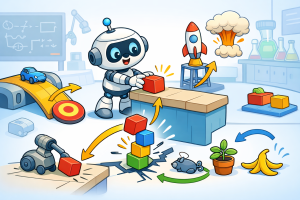 We’ve spent the last few years watching language models get disturbingly good at sounding smart. They write coherent essays, debug code, explain quantum physics in simple terms. The experience is convincing enough that serious people have started talking about these systems as if they’re on the cusp of real intelligence, or already past it.
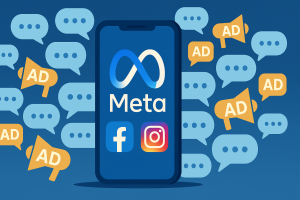 Meta is rolling out a sweeping change to how it handles user data. Beginning December 16, interactions with its AI chat tools, whether text or voice, will feed into content recommendations and ad targeting across Facebook, Instagram, and WhatsApp. And in the U.S., users will have no way to opt out.