 Why Shadow AI Slips Past Security
 Why Shadow AI Slips Past Security
Shadow AI is already inside. The tools sit in browsers and sidebars. Employees paste snippets of code, customer notes, even legal language into chatbots that were never vetted. The answers look helpful. The risk hides in the copy and paste. Data leaves the building without a ticket. Logs do not show it. Policies never saw it. By the time a leak becomes visible, the trail is cold.
IT leaders keep asking the same question. How do you govern what you cannot see? You start by naming it. Shadow AI covers any AI use that bypasses purchase, security review, or monitoring. That includes SaaS chat tools, browser extensions, model endpoints wired into internal scripts, and clever “personal assistants” someone installed on a work laptop. Each of those entry points can move sensitive information to third parties. Some keep prompts. Others store outputs. Many train on uploaded files. You cannot make a clean audit if you do not control any of that. [Read more…]
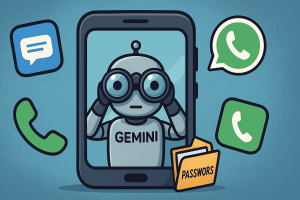 If you use an Android phone, there’s a good chance Google’s Gemini AI is now interacting with your apps, even if you thought you had disabled it. The company recently rolled out changes that grant Gemini new levels of access to messages, phone calls, and third-party apps like WhatsApp, regardless of whether users had previously opted out. If that sounds invasive, it’s because it is.
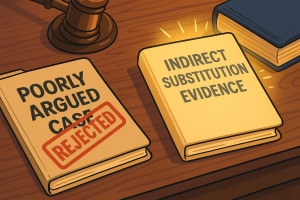 A federal judge handed Meta a win in a major copyright case over using books to train AI models. But the decision wasn’t exactly a validation of Meta’s practices. It was a result of the authors failing to argue their case effectively.
 The buzz around AI-powered coding tools is hard to avoid, and I get asked about them a lot. Instead of continuing to repeat myself I figured it was time to write down exactly why I don’t use them, and why that decision isn’t about being for or against AI in some grand ideological sense. This is just a practical take based on how I work, what I value, and what actually helps me get things done.
 OpenAI Faces Pressure to Store All ChatGPT Conversations