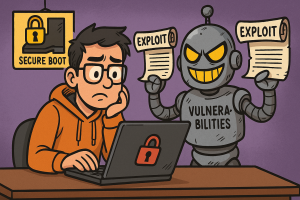
 Security researchers have identified two major exploits in the Secure Boot system, both capable of sidestepping one of the most important protections on modern PCs. Microsoft has issued a patch for one of them. The other remains untouched, even as it offers attackers a nearly universal method to bypass security during the startup process.
This week’s patch from Microsoft addresses a vulnerability known as CVE-2025-3052. It impacts over 50 manufacturers whose systems rely on Linux modules to support boot processes. The flaw allows someone with physical access to a device to disable Secure Boot entirely. Once that’s done, they can install malware that loads before the operating system starts. The attack is particularly concerning because it’s stealthy and persistent, and in cases where a hacker already has administrative access, it can be triggered remotely. [Read more…]
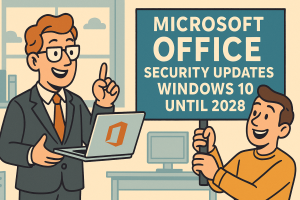 Microsoft will continue rolling out security updates for Microsoft 365 apps on Windows 10 until October 2028, extending support three years past the operating system’s planned end-of-life.
 Microsoft is quietly pushing out a OneDrive update that’s catching IT departments off guard. A new feature prompts users—by default—to connect their personal OneDrive accounts to corporate machines. No setup needed. The feature just appears and offers a quick, seamless sync between personal and business storage.
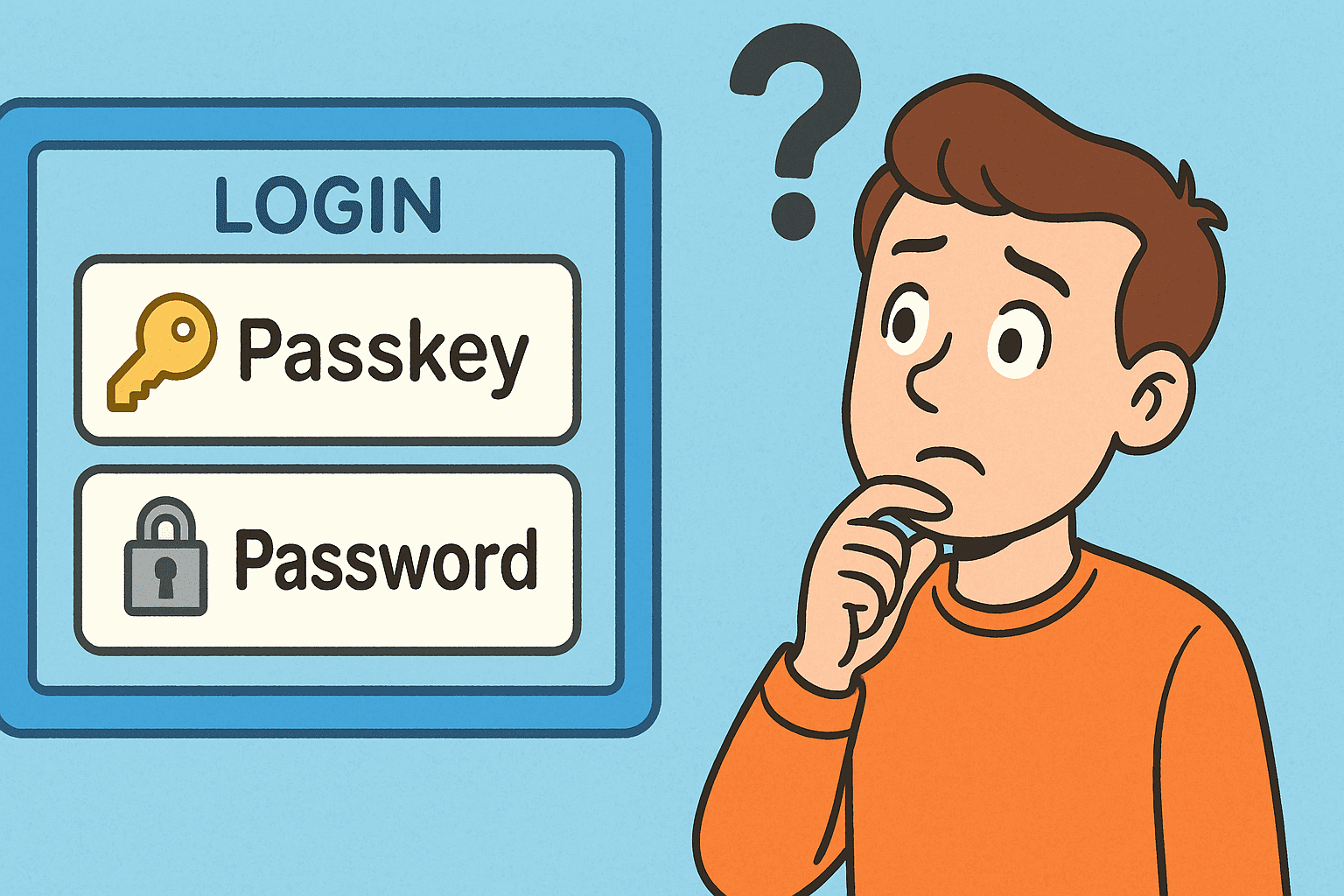 Microsoft is shifting new account signups away from passwords and toward passkeys. It’s part of a broader industry effort, with companies like Google and Apple also pushing for a future where stolen credentials are no longer a threat. This move sounds like progress, but there’s more going on beneath the surface.