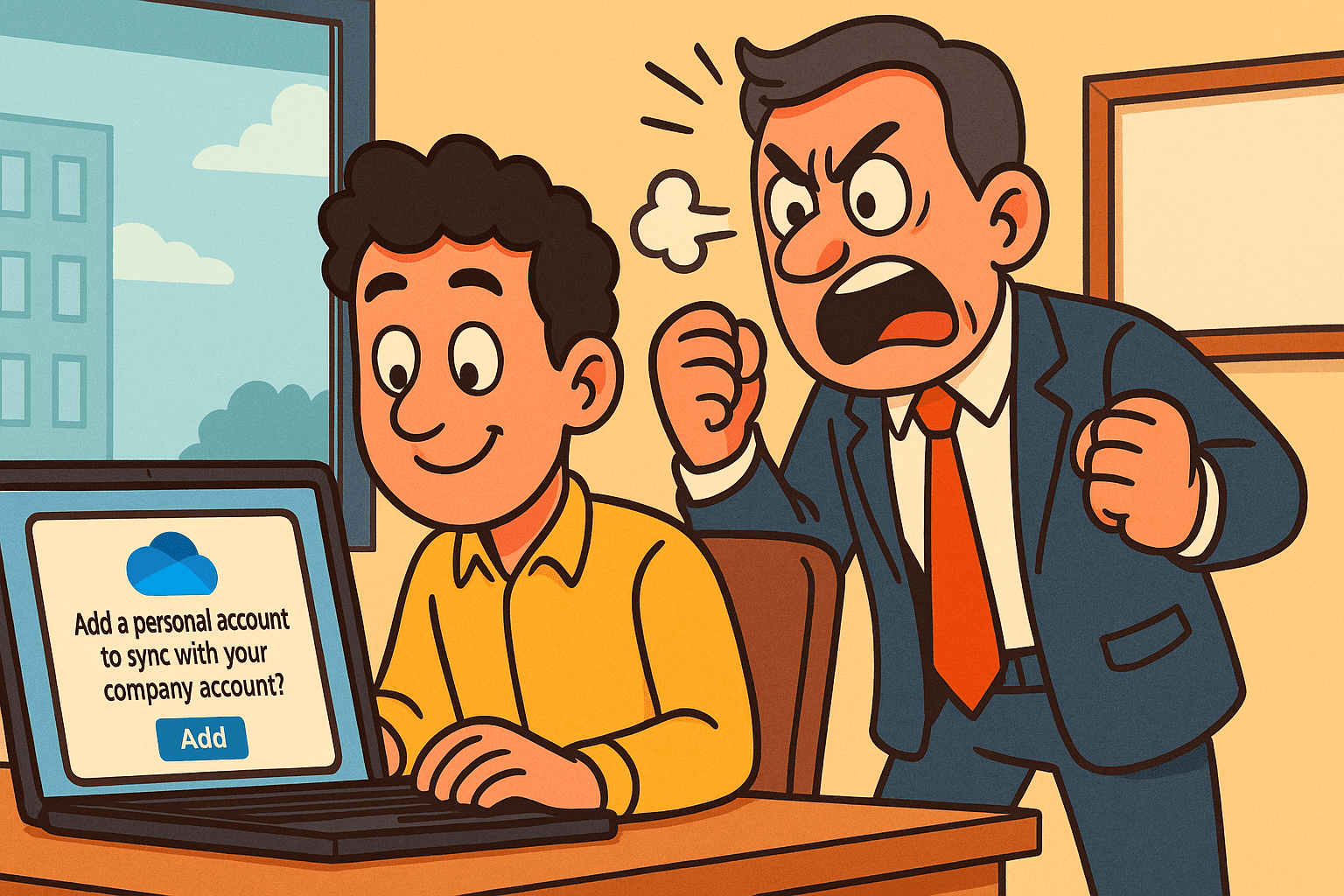
 Microsoft is quietly pushing out a OneDrive update that’s catching IT departments off guard. A new feature prompts users—by default—to connect their personal OneDrive accounts to corporate machines. No setup needed. The feature just appears and offers a quick, seamless sync between personal and business storage.
Here’s the obvious problem: once files from a corporate machine end up in a personal OneDrive account, they’re basically outside the company’s control. No logging. No tracking. No oversight. That means sensitive information could be moved or shared in ways the organization can’t monitor—and probably wouldn’t approve of. [Read more…]
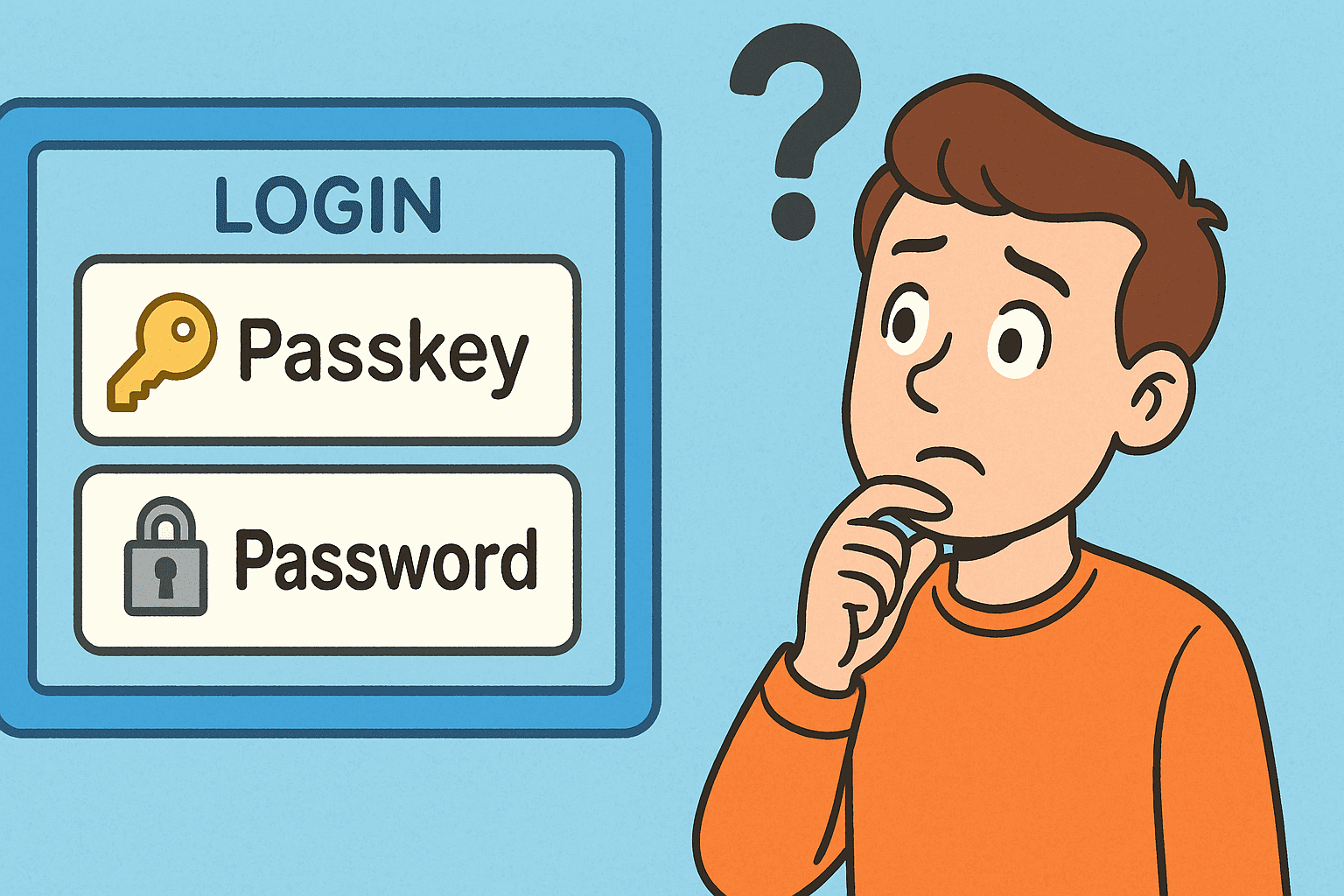 Microsoft is shifting new account signups away from passwords and toward passkeys. It’s part of a broader industry effort, with companies like Google and Apple also pushing for a future where stolen credentials are no longer a threat. This move sounds like progress, but there’s more going on beneath the surface.
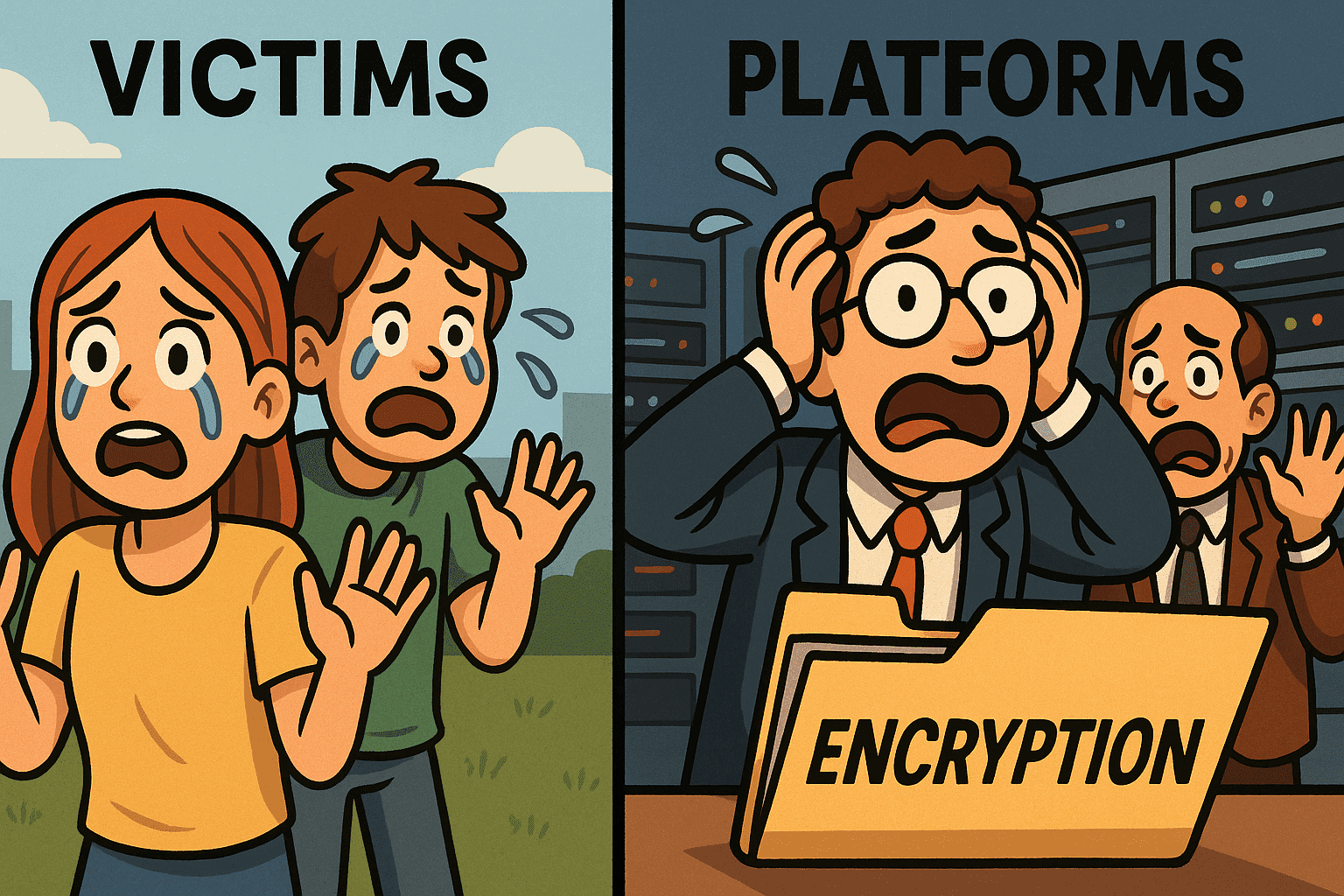 A bill designed to curb the spread of non-consensual intimate imagery (NCII), whether real or AI-generated, is on the brink of becoming law. Known as the Take It Down Act, the legislation commands online platforms to delete such material within 48 hours of being notified by victims. It’s expected to clear the House of Representatives and head swiftly to the White House, where President Donald Trump has pledged to sign it into law, aligning with First Lady Melania Trump’s strong support.
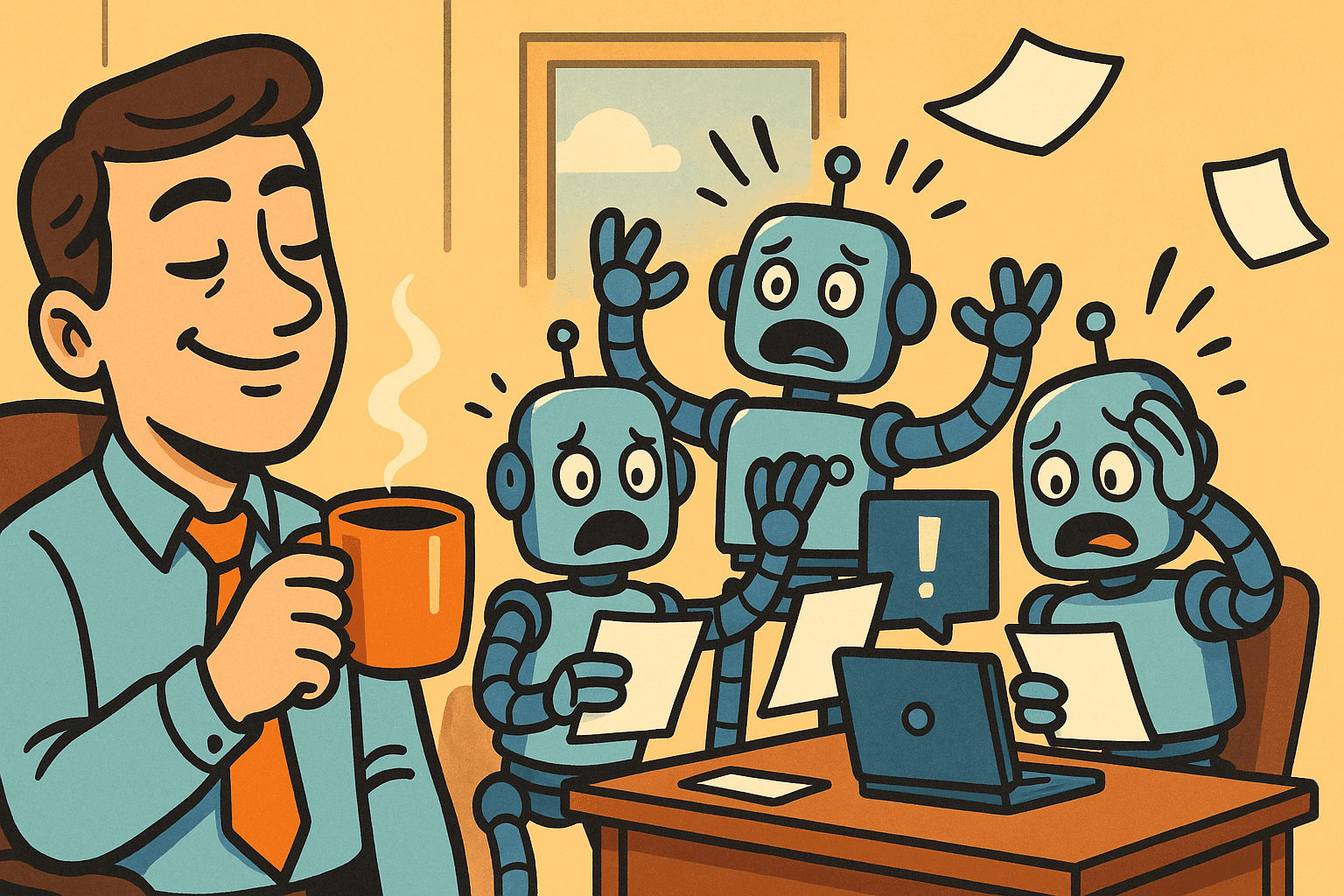 If you’ve been losing sleep over the idea of AI replacing you at work, you can relax. Your job is safe, at least for now. It’s not that artificial intelligence doesn’t have ambitions; it’s just that it’s nowhere near capable enough to pull it off.
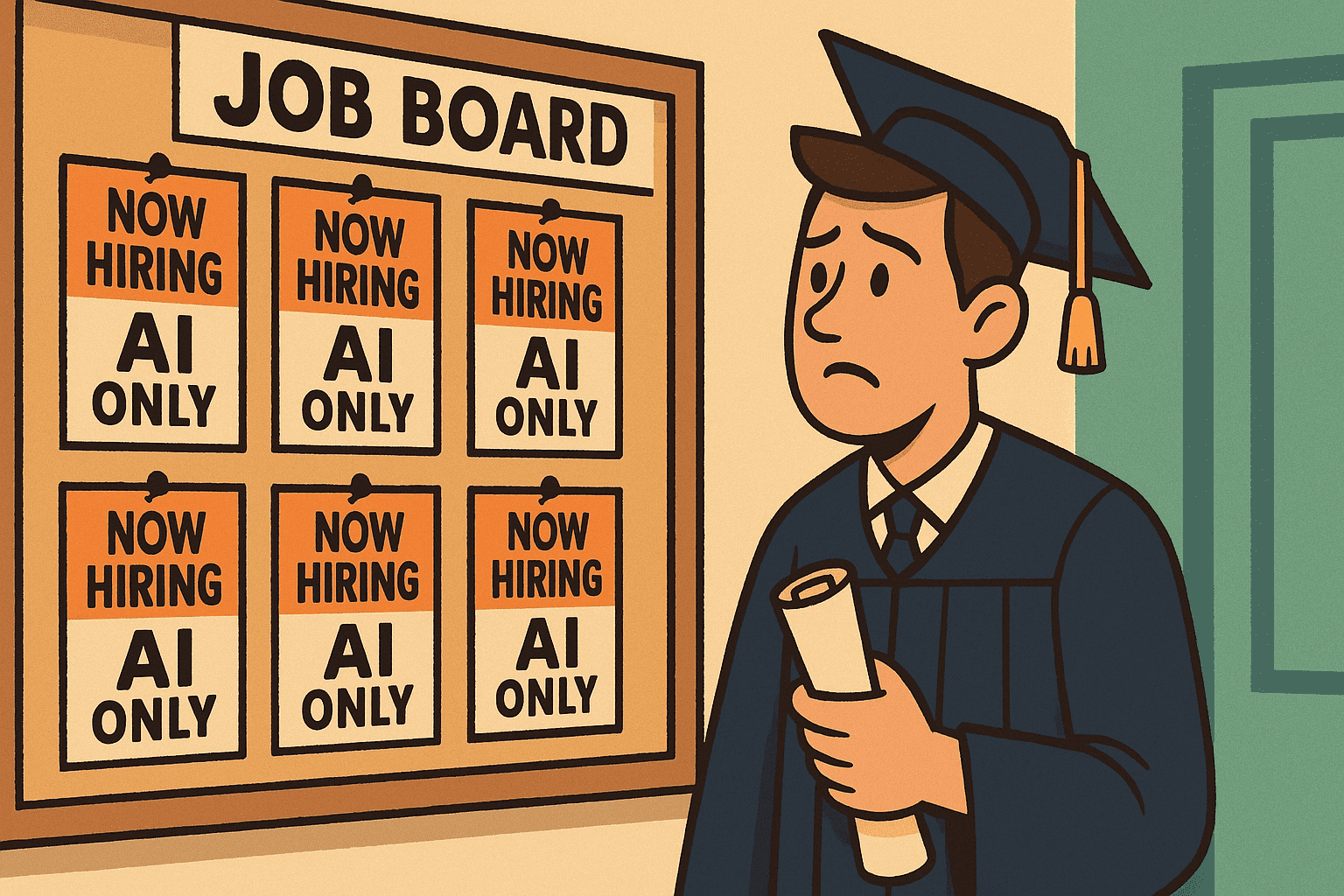 For college seniors eagerly anticipating that first step onto the career ladder, reality is hitting like a brick wall. The tech jobs they studied for? Drying up. Entry-level finance and consulting gigs? Not what they used to be. Even internships are getting scarce. Blame a shaky economy, cautious employers, and a new coworker who doesn’t need coffee breaks: generative AI.